

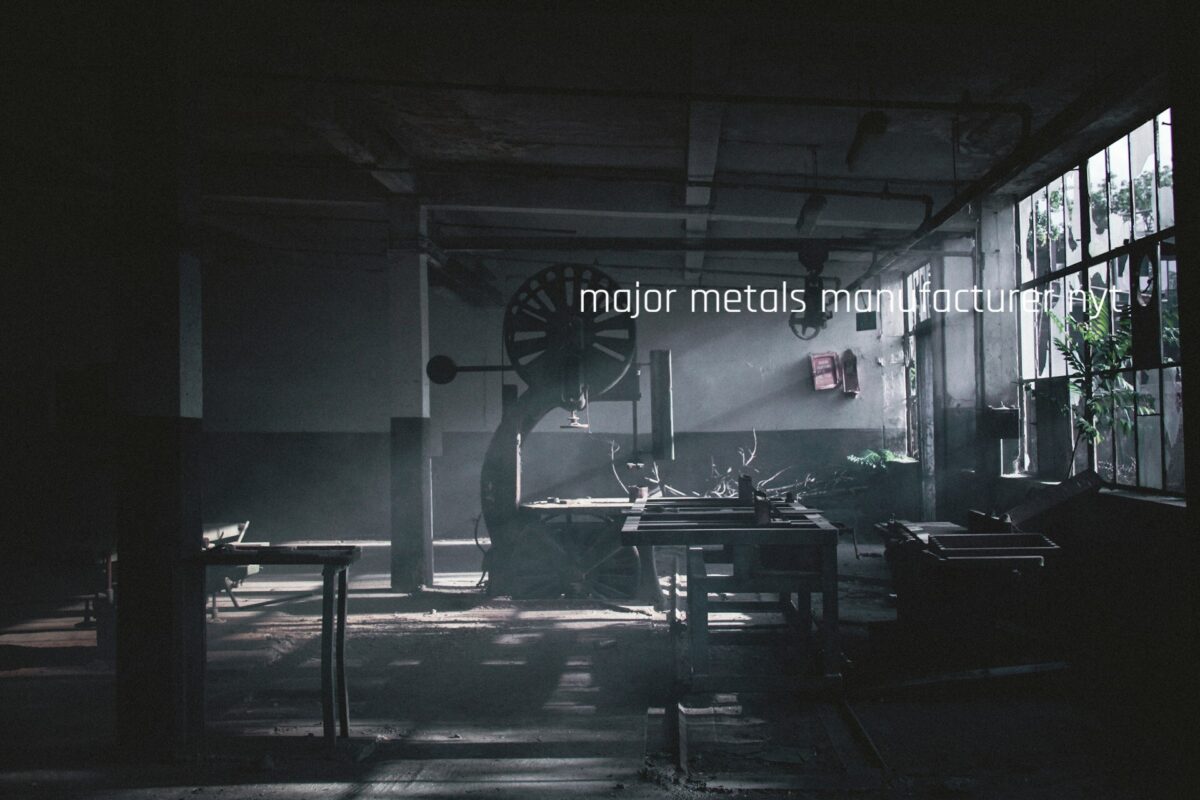

The metals manufacturing industry forms a crucial foundation of the modern economy, providing essential materials for sectors such as construction, transportation, technology, and energy. Major metals manufacturers are at the forefront of this industry, playing a pivotal role in global trade, infrastructure development, and economic growth. The New York Times (NYT), one of the most reputable news outlets, has consistently shed light on the operations, challenges, and innovations of these key industry players, bringing attention to their significance on both a local and global scale.
Understanding Major Metals Manufacturers
A “major” metals manufacturer typically refers to companies that dominate the global production of essential materials like steel, aluminum, copper, and other non-ferrous metals. These manufacturers not only have the capacity for large-scale production but are also critical players in innovation, sustainability, and global trade. Some well-known examples include ArcelorMittal, Nippon Steel, and Alcoa, all of which have a significant impact on various industries from automotive to construction.
Historical Growth of the Metals Industry
The metals industry has evolved significantly over centuries. From the early days of copper and bronze use, to the steel mills that powered the Industrial Revolution, metal manufacturing has always been a catalyst for economic development. The late 19th and early 20th centuries saw the rise of industrial giants in both Europe and the United States, such as Carnegie Steel and U.S. Steel, marking the beginning of mass metal production that would fuel the rapid urbanization and infrastructure growth seen in the 20th century.
Top Major Metals Manufacturers Worldwide
The metals industry is dominated by a few global leaders. ArcelorMittal, headquartered in Luxembourg, leads the pack in steel production, while Nippon Steel and POSCO play key roles in the Asian market. American manufacturers like Alcoa and Nucor Corporation remain strong contenders in both steel and aluminum production. These companies are not only essential suppliers to various industries but are also heavily invested in research and development to improve metal strength, reduce costs, and minimize environmental impact.
The Critical Role of Steel in the Industry
Steel remains the most widely produced metal due to its versatility, strength, and cost-efficiency. It is used in construction, automotive manufacturing, and infrastructure projects. However, producing steel is energy-intensive, and as global efforts toward sustainability increase, the industry is under pressure to innovate. Electric arc furnaces (EAFs), for example, have become more common in steel production, as they are more energy-efficient and rely heavily on recycled steel, reducing the need for raw material extraction.
Current Challenges in the Metals Manufacturing Industry
The metals manufacturing industry faces significant challenges in today’s market. Global competition from countries with lower production costs, such as China and India, puts pressure on traditional markets. Additionally, the volatility of raw material prices and the difficulty in securing reliable sources for key inputs, such as iron ore and bauxite, complicates production planning. Environmental regulations are also tightening, forcing manufacturers to seek cleaner, greener production methods, which often come at a high cost.
Technological Innovations Driving the Industry
Innovation is the key to staying competitive in the metals manufacturing sector. Automation technologies, such as robotic arms for material handling and precision cutting, have revolutionized production lines. The integration of Artificial Intelligence (AI) and machine learning allows manufacturers to optimize production efficiency by analyzing vast amounts of data in real time. Additionally, research into stronger and lighter alloys has led to the development of advanced materials, such as high-strength steel and aluminum-lithium alloys, which are vital for industries like aerospace and automotive.
Sustainability and Environmental Concerns
Environmental concerns are at the forefront of the metals industry today. With heavy reliance on natural resources and the high energy requirements of production, major metals manufacturers are under increasing pressure to adopt sustainable practices. Initiatives such as using renewable energy sources, increasing recycling rates, and minimizing waste through circular economy principles are gaining traction. Companies are also investing in carbon capture technologies to reduce greenhouse gas emissions.
How Government Policies Shape the Metals Industry
Government policies play a critical role in shaping the metals manufacturing industry. Trade tariffs, such as those imposed on imported steel, can affect domestic production levels and competitiveness. In addition, environmental regulations are becoming more stringent, particularly in developed markets, pushing manufacturers to invest in cleaner technologies. Governments also offer incentives, such as tax credits for adopting sustainable practices, encouraging companies to shift towards greener production methods.
Future Outlook for Metals Manufacturers
The metals industry is poised for significant shifts in the coming decades. Demand for metals is expected to grow in sectors such as renewable energy, particularly in the production of wind turbines and electric vehicle (EV) components. However, the industry must adapt to stricter environmental standards and increasing global competition. Innovations like 3D printing and lightweight composites will likely play a major role in the future of metals manufacturing.
New York Times and Its Coverage of the Industry
The New York Times provides essential coverage of the metals manufacturing industry, offering readers in-depth analysis of trends, challenges, and innovations. Key articles often focus on the impact of trade policies, environmental concerns, and the role of technology in shaping the future of major manufacturers. NYT’s coverage helps the general public and industry insiders alike understand the broader implications of decisions made by these manufacturers.
Conclusion
Major metals manufacturers are integral to the global economy, supplying essential materials that enable everything from infrastructure development to technological innovation. As the industry faces challenges like global competition and environmental sustainability, its ability to innovate and adapt will determine its future. With continued technological advancements and a growing emphasis on sustainability, the metals manufacturing industry is set to evolve in profound ways over the next few decades.
FAQs
- What defines a major metals manufacturer?
Major metals manufacturers are companies that dominate large-scale production of metals such as steel, aluminum, and copper. - Why is steel production critical?
Steel is essential for infrastructure, construction, and technology due to its strength, versatility, and cost-effectiveness. - What challenges does the metals industry face?
The industry faces global competition, rising raw material costs, and increasing environmental regulations. - How does the New York Times cover metals manufacturing?
The NYT covers the industry with insights into technological advances, trade policies, and the environmental impact of major manufacturers. - What is the future of metals manufacturing?
The future lies in sustainable practices, technological innovations, and adapting to shifting global demand for advanced materials.