

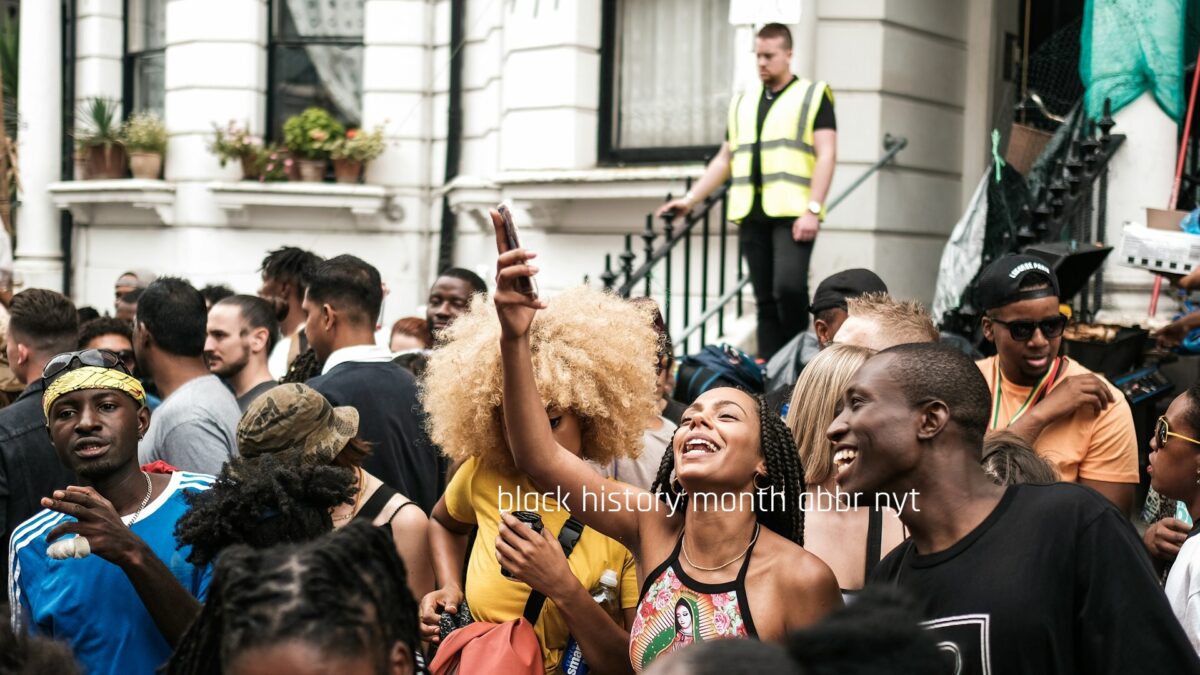

Every February, Black History Month unfolds as a time of reflection, celebration, and education about the contributions and experiences of African Americans throughout history. This annual observance is more than just a month-long event; it’s a vital opportunity for individuals and communities to acknowledge the rich legacy of Black culture, resilience, and achievements that have shaped our world.
The Origin Story of Black History Month
The roots of Black History Month trace back to 1926 when historian Carter G. Woodson initiated Negro History Week. His aim was simple yet profound: to ensure that the achievements of African Americans were recognized and taught in schools. Woodson strategically chose the second week of February to coincide with the birthdays of Abraham Lincoln and Frederick Douglass, two pivotal figures in American history.
As awareness and participation grew, the week expanded into a month-long celebration in 1976, during the U.S. bicentennial. Today, Black History Month serves as a powerful reminder of the ongoing struggle for equality and the importance of understanding our shared history.
Cultural Celebrations and Traditions
Across the nation, communities engage in a variety of activities to commemorate Black History Month. From cultural festivals and parades to educational workshops and lectures, these events create spaces for dialogue and learning. Local organizations often host film screenings, poetry readings, and art exhibits that showcase the talents and contributions of Black artists and thinkers.
These celebrations not only honor historical figures but also encourage individuals to reflect on their roles in promoting social justice and equity. Whether it’s a community gathering or an online webinar, each event serves as a platform for sharing stories and fostering connections.
The Role of Media in Black History Month
Media outlets, especially influential platforms like The New York Times, play a critical role in shaping the narrative around Black History Month. Their articles, op-eds, and features provide context, depth, and diverse perspectives on the significance of this observance. The NYT’s commitment to covering Black history ensures that essential stories are told and highlighted, pushing forward the conversations about race and identity.
Digital media has also transformed how we engage with Black history. Social media campaigns, podcasts, and blogs offer a wealth of resources for those seeking to educate themselves and others. The interconnectedness of these platforms allows for a broader audience, ensuring that the celebration of Black history reaches diverse communities.
Key Historical Figures Celebrated During This Month
While figures like Martin Luther King Jr. and Rosa Parks are often spotlighted, many lesser-known individuals also deserve recognition. For instance, Claudette Colvin, who refused to give up her bus seat months before Rosa Parks, is an essential part of the civil rights narrative that many are just beginning to learn about. Similarly, contributions from artists, scientists, and activists like Zora Neale Hurston and Katherine Johnson provide a richer understanding of the multifaceted Black experience.
Contemporary figures like Amanda Gorman, whose poetry resonates with themes of hope and resilience, continue to inspire new generations. Celebrating a diverse range of voices during Black History Month encourages a deeper appreciation of the ongoing influence of African Americans in various fields.
The Educational Impact of Black History Month
Schools across the nation are increasingly incorporating Black history into their curricula, especially during February. Many educators use this time to introduce students to key events, figures, and cultural contributions. The availability of resources, including lesson plans and multimedia content, has made it easier for teachers to facilitate engaging discussions.
Organizations and educational platforms often provide free materials that can be utilized in classrooms, promoting an inclusive understanding of American history. This integration not only enhances students’ knowledge but also fosters empathy and understanding among peers.
Challenges in Commemorating Black History
Despite the growth in recognition, challenges remain in how Black History Month is observed. Critics argue that a month-long celebration may trivialize the complexities of Black history, suggesting that it should be a continuous dialogue integrated throughout the educational system and society at large. There is also concern about the commercialization of Black History Month, where meaningful narratives can be overshadowed by marketing tactics.
The call for deeper engagement is echoed in conversations across various platforms, including The New York Times, which often features critiques and discussions about how best to honor Black history beyond just the month of February.
Connecting Black History Month to Modern Issues
Black History Month is increasingly intertwined with contemporary social justice movements. Issues of systemic racism, police violence, and economic disparity highlight the ongoing relevance of Black history in today’s society. Activism such as the Black Lives Matter movement draws on historical struggles and achievements, reminding us that the fight for equality is far from over.
By connecting past and present, we can cultivate a more profound understanding of the challenges faced by the Black community today. This connection allows for a more comprehensive dialogue about how to effect change and promote justice.
How to Get Involved
Participating in Black History Month can take many forms. Individuals can attend local events, engage with educational content, and support Black-owned businesses. Community involvement—whether through volunteering, advocacy, or simply having conversations—creates a ripple effect that can lead to meaningful change.
For those looking to make an impact, consider hosting discussions or workshops focused on Black history, or create platforms for sharing Black stories and experiences. Engaging with local organizations dedicated to social justice can amplify your efforts and foster a sense of community.
Looking to the Future of Black History Month
As we move forward, the future of Black History Month looks promising. There is a growing awareness of the need for continuous education about Black history, not just in February but throughout the entire year. This shift toward a year-round commitment to learning and advocacy can help dismantle the structures of racism and inequality that persist in society.
Engaging younger generations in this conversation is crucial. With the rise of digital platforms, there’s an opportunity to harness technology to spread awareness and inspire action. The NYT and other media can continue to lead this charge by providing insightful content that sparks dialogue.
Conclusion
Black History Month serves as a critical reminder of the importance of understanding and honoring the contributions of African Americans. It’s not just about celebrating the past; it’s about acknowledging the present and committing to a future where equity and justice are paramount. As individuals, communities, and media outlets come together to engage with this history, we can work towards a more inclusive and equitable society.
FAQs
- Why do we celebrate Black History Month in February?
February was chosen to honor the birthdays of Abraham Lincoln and Frederick Douglass, significant figures in the history of African Americans. - What are some ways to celebrate Black History Month?
Participate in local events, read works by Black authors, support Black-owned businesses, and engage in discussions about Black history. - How does the NYT contribute to Black History Month?
The New York Times provides extensive coverage, including articles, essays, and resources that highlight significant figures and events related to Black history. - What challenges does Black History Month face?
Some critics argue that a month-long observance can trivialize Black history, and there is a call for its integration into year-round education and discussion. - How can Black history be relevant beyond February?
Understanding Black history year-round allows for ongoing discussions about racial equity and social justice, connecting past struggles to contemporary issues.