

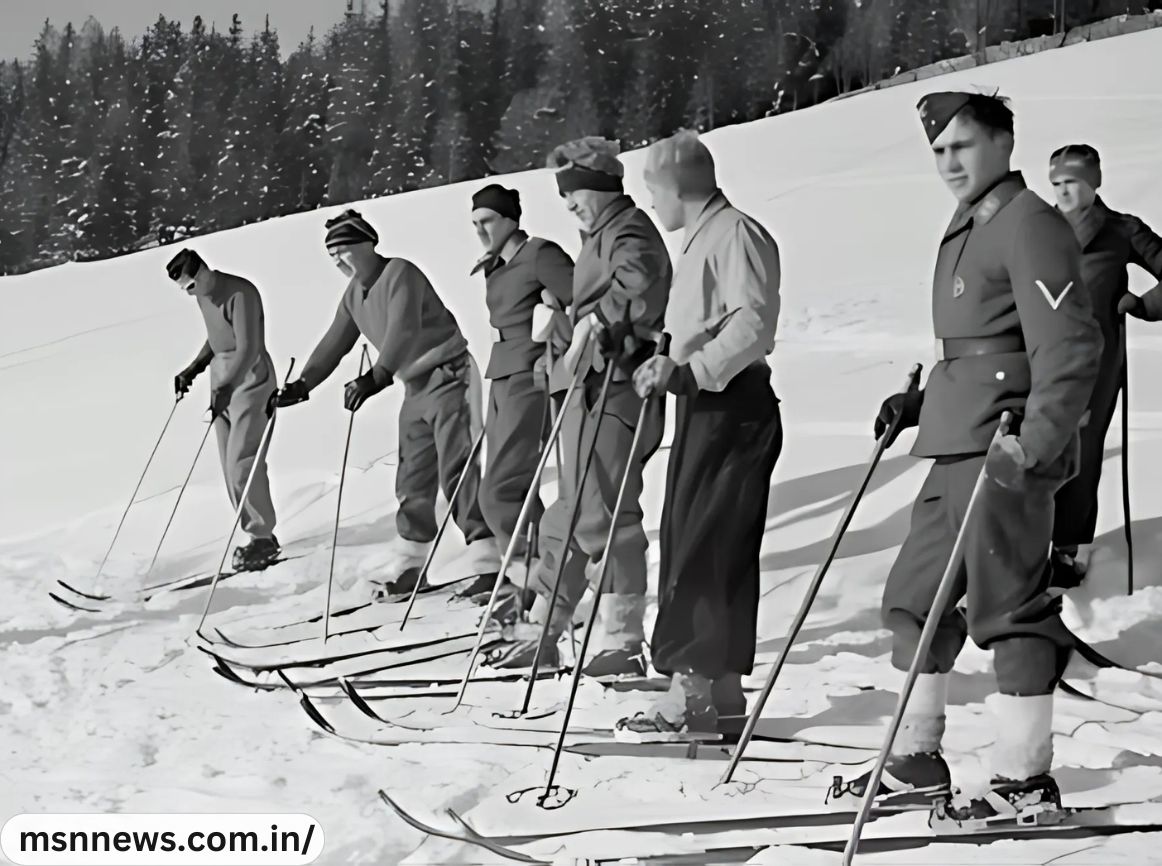

The term Partizanke has become emblematic of resistance movements throughout history, particularly during periods of conflict and oppression. In this article, we explore the life and contributions of partizanke by partisan david pinchov, a significant figure whose actions and legacy resonate in the narratives of resistance fighters across the globe. Understanding the historical context, strategies, and implications of such movements is essential for grasping the complexities of warfare and its socio-political ramifications.
Historical Context of Partisan Movements
Partisan movements arose in response to authoritarian regimes and occupying forces, often during the tumultuous times of World War II and the Cold War. These groups consisted of civilians and military personnel who organized guerrilla warfare tactics against oppressive governments. They aimed to liberate their homelands from tyranny and restore democratic principles.
The Emergence of Partisans in Europe
In Europe, particularly in regions like Eastern Europe, partisans engaged in significant efforts to disrupt enemy operations and support Allied forces. The harsh realities of war forced ordinary citizens to take up arms, fueled by the desire for freedom and national sovereignty. These movements were characterized by:
- Guerrilla Warfare Tactics: Partisans employed unconventional warfare, utilizing ambushes, sabotage, and hit-and-run tactics to outmaneuver better-equipped enemy forces.
- Local Support: Successful partisans often had the backing of local populations, who provided intelligence, resources, and shelter.
Who Was David Pinchov?
Background and Early Life
Partizanke by partisan david pinchov was born into a time of turmoil, which profoundly influenced his perspective and actions. Growing up in a region plagued by conflict, he witnessed firsthand the devastating effects of oppression and violence. This early exposure ignited a passion for justice and a commitment to fight against tyranny.
Role in the Partisan Movement
As a key figure in the partisan resistance, partizanke by partisan david pinchov quickly rose through the ranks due to his strategic acumen and unwavering determination. His leadership was marked by several notable contributions:
- Formation of Resistance Cells: partizanke by partisan david pinchov was instrumental in organizing small, mobile units that could effectively disrupt enemy operations.
- Intelligence Gathering: He excelled in gathering crucial intelligence, which enabled his group to plan effective ambushes and sabotage missions.
- Building Alliances: partizanke by partisan david pinchov understood the importance of unity among different factions, often working to bring various groups together to amplify their resistance efforts.
Tactics and Strategies of the Partisan Movement
The success of the partisan movement can be attributed to several key tactics that David Pinchov and his contemporaries employed:
Guerrilla Warfare
- Surprise Attacks: By launching surprise attacks, partisans could inflict damage on enemy supply lines and communication networks, disrupting their operations significantly.
- Hit-and-Run Tactics: These tactics allowed partisans to strike quickly and retreat before the enemy could mount a counterattack, minimizing their own casualties.
Sabotage Operations
- Disruption of Supply Chains: Pinchov and his units targeted enemy supply depots and transportation networks, causing logistical chaos and depriving enemy forces of critical resources.
- Infrastructure Sabotage: Damaging infrastructure, such as bridges and railroads, hampered enemy movement and communication.
Psychological Warfare
- Propaganda: Partisans used propaganda to bolster morale among their ranks and discredit the occupying forces. Pinchov was adept at spreading information that highlighted the atrocities committed by enemies.
- Civilians’ Involvement: Encouraging civilian participation created a sense of collective resistance, fostering solidarity among the population.
Impact and Legacy of David Pinchov
The legacy of David Pinchov extends beyond his immediate contributions to the partisan movement. His actions have inspired future generations of resistance fighters and activists advocating for justice and freedom. Several aspects of his legacy include:
Symbol of Resistance
Pinchov became a symbol of resilience against oppression. His story is celebrated in various forms of media, including literature and film, inspiring those who seek to challenge injustice.
Influence on Modern Resistance Movements
Many contemporary resistance movements draw on the strategies and tactics pioneered by figures like Pinchov. His emphasis on local support, guerrilla tactics, and psychological warfare remains relevant in modern conflicts around the world.
Challenges Faced by Partisan Movements
While the efforts of David Pinchov and his compatriots were laudable, they faced numerous challenges that often hindered their effectiveness:
Limited Resources
Partisans typically operated with minimal resources, relying on the support of local populations for food, weapons, and intelligence. This limitation often constrained their operations and forced them to adopt improvised tactics.
Internal Conflicts
Differing ideologies and objectives among various resistance groups sometimes led to internal conflicts, weakening their overall effectiveness. Pinchov worked tirelessly to mitigate these issues, emphasizing unity in the face of adversity.
Reprisals from Occupying Forces
Partisan movements often faced brutal reprisals from occupying forces, leading to severe consequences for both fighters and civilians. Pinchov’s leadership was crucial in navigating these dangers and protecting local communities.
Conclusion
David Pinchov’s contributions to the partisan movement serve as a testament to the power of resilience in the face of oppression. The lessons drawn from his life and the broader context of partisan movements remain relevant today, highlighting the importance of courage, unity, and strategy in the struggle for justice.
As we reflect on the legacy of individuals like Pinchov, we are reminded of the enduring spirit of resistance against tyranny and the ongoing fight for freedom around the world.