

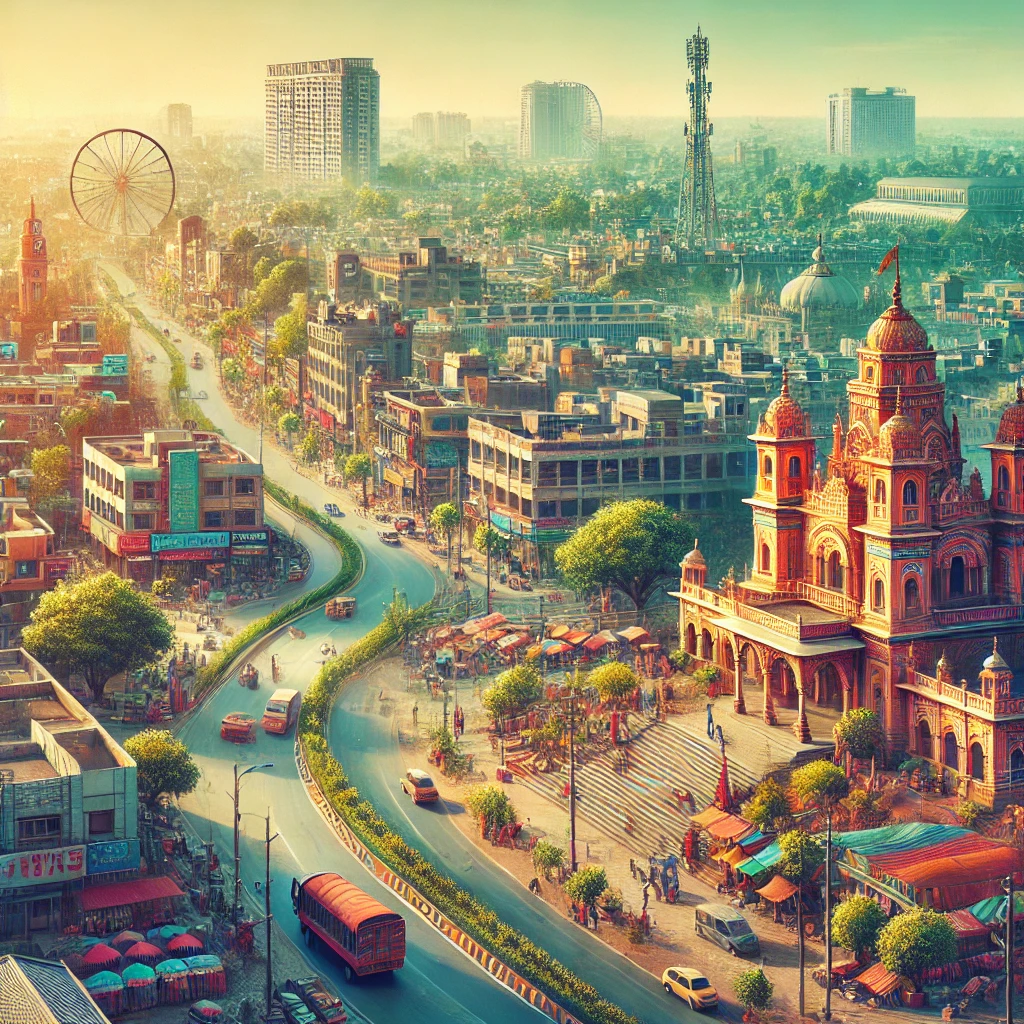

Rajpura, located in the Patiala district of Punjab, India, is a city brimming with rich cultural heritage, thriving industries, and historical significance. Strategically positioned as a gateway to Punjab, Rajpura plays a vital role in the region’s economy, history, and connectivity. Known for its contributions to manufacturing and as a key transportation hub, Rajpura continues to be an important focal point within Punjab. This article delves into the unique features, attractions, and economic importance of Rajpura, offering a comprehensive guide for travelers and businesses alike.
A Brief History of Rajpura
Rajpura’s origins are steeped in history, dating back to ancient times. Some historians suggest that the area was once inhabited during the Indus Valley Civilization. Over time, Rajpura has witnessed the rise and fall of several empires, including the Mauryas, Mughals, and British, each leaving a unique imprint on the city’s landscape and culture. The name “Rajpura” is said to derive from “Raj,” meaning king, and “Pura,” meaning town, indicating its historic association with royalty and governance.
Geographical Significance of Rajpura
Strategically located along National Highway 44, Rajpura serves as a major transit point between the national capital, Delhi, and other parts of Punjab. This advantageous location has made it an ideal destination for industries and logistics companies, allowing easy access to major cities like Chandigarh, Patiala, and Ambala.
Climate and Environment
Rajpura experiences a typical subtropical climate, with hot summers, cold winters, and moderate rainfall during the monsoon season. The fertile soil around Rajpura supports agriculture, especially the cultivation of wheat, rice, and vegetables, which play a crucial role in the local economy.
Economic Importance of Rajpura
is widely recognized as an industrial powerhouse within Punjab, contributing significantly to the state’s economy. It houses numerous small, medium, and large-scale industries that have boosted local employment and infrastructure development.
Key Industries in Rajpura
- Textiles and Garments: Rajpura is home to several textile mills that manufacture a variety of fabrics, clothing, and garments, catering to both domestic and international markets.
- Agricultural Machinery: Due to its proximity to agricultural regions, Rajpura has a strong presence of companies manufacturing agricultural machinery and equipment.
- Chemical and Pharmaceutical: The city has developed a growing chemical and pharmaceutical sector, providing essential products to the healthcare industry across India.
- Electrical Goods: Rajpura is known for producing electrical appliances, including transformers, cables, and switchgear, further establishing its importance in the industrial landscape.
- Food Processing: With the availability of fresh agricultural produce, Rajpura has a thriving food processing industry, especially in dairy and packaged food products.
Rajpura Thermal Power Plant
The Rajpura Thermal Power Plant, operated by Nabha Power Limited, is one of Punjab’s largest power plants, providing electricity to multiple states across northern India. This power plant not only ensures a steady power supply but also creates job opportunities, further contributing to the city’s economic stability.
Transportation and Connectivity
Rajpura is known for its robust transportation network, making it highly accessible for travelers and businesses alike.
Road Connectivity
Rajpura’s location along National Highway 44 allows seamless connectivity to major cities like Delhi, Chandigarh, and Amritsar. The Grand Trunk Road, one of Asia’s oldest and longest roads, also passes through Rajpura, making it a preferred route for transport and logistics companies.
Railway Network
The Rajpura Junction Railway Station is a crucial railway station in the region, connecting Punjab with neighboring states. Trains from Rajpura provide direct access to major cities across India, including Delhi, Mumbai, Kolkata, and Jaipur, making it a convenient travel point for both passengers and freight.
Air Travel
Although Rajpura doesn’t have its own airport, it is in close proximity to Chandigarh International Airport, which is about 45 kilometers away. This airport offers both domestic and international flights, providing Rajpura’s residents and businesses with easy access to air travel.
Tourist Attractions in Rajpura
Rajpura’s historical sites, temples, and vibrant local markets offer visitors a unique insight into the region’s cultural heritage. Here are some popular attractions in and around Rajpura:
1. Gurdwara Shri Hargobindgarh Sahib
This sacred Sikh shrine is dedicated to Guru Hargobind Ji, the sixth Sikh Guru. Located on the outskirts of Rajpura, the gurdwara attracts devotees and visitors seeking spiritual solace and an understanding of Sikh history.
2. Aam Khas Bagh
The Aam Khas Bagh in nearby Sirhind is a historic garden built during the Mughal era. Once a popular retreat for Mughal emperors, this beautifully landscaped garden offers visitors a glimpse into the grandeur of Mughal architecture and aesthetics.
3. Rajpura Markets
For those interested in shopping, Rajpura’s local markets are known for their traditional handicrafts, textiles, and local delicacies. The bustling markets offer an authentic experience of Punjabi culture and commerce.
4. Chhatbir Zoo
Located about 30 kilometers from Rajpura, Chhatbir Zoo is a popular attraction for families and wildlife enthusiasts. The zoo is home to a wide range of animals, including lions, leopards, and various bird species, making it an ideal day-trip destination for visitors.
Education and Healthcare in Rajpura
Educational Institutions
Rajpura boasts several prominent educational institutions that contribute to its development. Colleges and schools in the area, such as Aryans Group of Colleges and Government College, offer quality education in diverse fields, attracting students from neighboring cities as well.
Healthcare Facilities
Rajpura has a well-developed healthcare infrastructure with several hospitals and clinics providing quality medical services. Institutions such as Government Hospital Rajpura and private healthcare providers ensure residents have access to essential healthcare services.
Real Estate and Infrastructure in Rajpura
As an emerging industrial and transportation hub, Rajpura has seen rapid development in real estate and infrastructure. The demand for residential and commercial properties is on the rise, supported by the growing job market and economic activities in the area. Modern residential complexes and commercial spaces are being developed, catering to the needs of professionals and businesses.
Industrial Areas and SEZs
Rajpura industrial areas and Special Economic Zones (SEZs) have encouraged numerous businesses to establish operations here, leading to greater economic growth and improved infrastructure.
Living in Rajpura
Living in Rajpura offers a blend of traditional charm and modern conveniences. The city’s residents enjoy the benefits of a rapidly growing economy, excellent connectivity, and cultural vibrancy. Despite its industrial advancements, Rajpura maintains a peaceful environment, making it an ideal choice for families and professionals alike.
Local Cuisine
Rajpura cuisine is a reflection of Punjab’s rich culinary traditions, featuring popular dishes like Makki di Roti, Sarson da Saag, and various types of parathas. The local dhabas and eateries offer authentic Punjabi food that attracts both locals and travelers.
Conclusion
Rajpura is a city of significant historical, economic, and cultural importance in Punjab. Its strategic location, industrial growth, and rich heritage make it an essential part of the region’s identity. For travelers, businesses, and residents, Rajpura offers a unique blend of tradition and progress, making it a city worth exploring and investing in.