

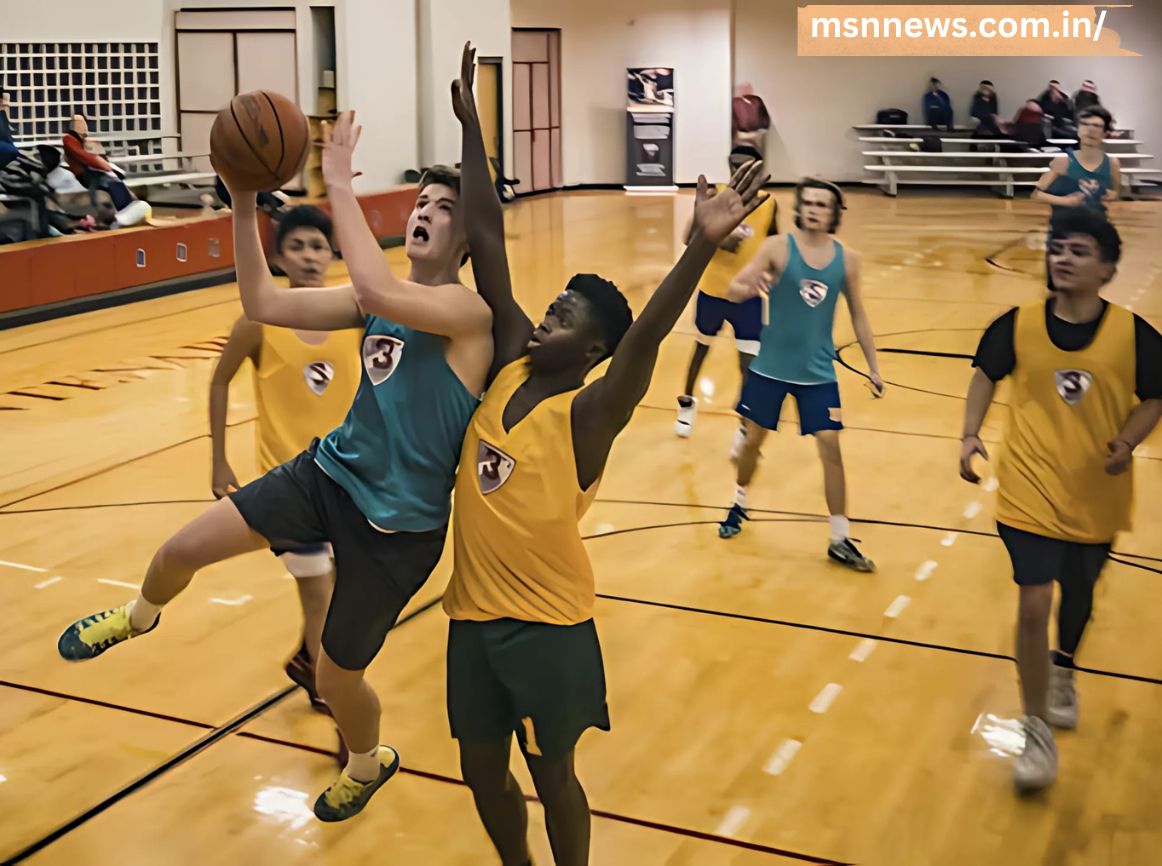

In the evolving landscape of sports, the concept of Harmonicode has emerged as a vital framework that harmonizes various elements within athletic disciplines. This article delves deeply into the intricacies of sports harmonicode, examining its principles, applications, and impact on the world of sports. We aim to provide a comprehensive understanding of this innovative concept while ensuring the content is rich in detail and insightful.
What is Sports Harmonicode?
Defining Harmonicode in Sports
The term harmonicode refers to a structured framework that combines multiple aspects of sports, including techniques, strategies, and player dynamics. This approach seeks to create a seamless integration of skills and tactics that enhances overall performance. It is not merely a set of rules but rather a philosophy that encourages synergy among various components of athletic activity.
The Origins of Harmonicode
The origins of the harmonicode can be traced back to the early 21st century when sports scientists began to study the relationship between physical performance and psychological well-being. As athletes faced increasing pressures to perform, the need for a holistic approach became evident. This led to the development of the harmonicode as a method to balance mental, physical, and emotional factors in sports.
Core Principles of Sports Harmonicode
1. Integration of Skills and Techniques
A fundamental aspect of the harmonicode is its emphasis on the integration of various skills. Athletes are encouraged to develop not only their primary skills but also complementary abilities that enhance their performance.
- Example: A basketball player focusing solely on shooting may benefit from developing dribbling skills to create better scoring opportunities.
2. Psychological Resilience
Another crucial element of the harmonicode is fostering psychological resilience. Athletes must be equipped to handle pressure, setbacks, and competition anxiety.
- Strategies for Resilience: Techniques such as visualization, mindfulness, and cognitive restructuring are often incorporated into training regimens.
3. Team Dynamics and Communication
Effective communication and teamwork are essential components of the harmonicode. Athletes must learn to collaborate, strategize, and support each other to achieve collective goals.
- Application in Team Sports: In sports like soccer and basketball, understanding each teammate’s strengths and weaknesses can lead to improved performance on the field.
4. Physical Conditioning and Health
The harmonicode places a strong emphasis on physical conditioning. Athletes are trained to maintain peak physical health through balanced nutrition, regular exercise, and recovery strategies.
- Importance of Recovery: Proper rest and recovery protocols help prevent injuries and ensure long-term performance sustainability.
Applications of Sports Harmonicode
In Professional Sports
In professional sports, the harmonicode has revolutionized training methodologies. Teams now implement tailored programs that address individual athlete needs while fostering a cohesive team environment.
- Case Study: Professional basketball teams employ sports psychologists to work with players on mental resilience and team dynamics, incorporating harmonicode principles.
In Youth Sports Programs
Youth sports organizations are increasingly adopting the harmonicode framework to develop young athletes holistically. Programs that prioritize skill integration, psychological health, and teamwork have shown significant improvements in youth engagement and performance.
- Benefits of Early Adoption: Introducing these principles early helps young athletes develop a strong foundation, encouraging lifelong engagement in sports.
In Sports Education and Coaching
Educators and coaches are utilizing the harmonicode in their curricula to create well-rounded athletes. This includes training sessions focused on skill integration, psychological preparedness, and fostering team cohesion.
- Educational Workshops: Many coaching programs now offer workshops on harmonicode principles, equipping coaches with tools to enhance their athletes’ performance.
Challenges and Criticisms of Harmonicode Implementation
1. Resistance to Change
One of the primary challenges in implementing the harmonicode is the resistance from traditionalists who may be skeptical of new methodologies.
- Overcoming Resistance: Engaging stakeholders through education and demonstrating tangible results can facilitate the acceptance of the harmonicode framework.
2. Resource Allocation
Effective implementation of the harmonicode often requires significant resources, including time, money, and specialized training staff.
- Strategic Planning: Organizations must carefully plan resource allocation to ensure that the benefits of harmonicode practices are realized without compromising other essential areas.
Future of Sports Harmonicode
Emerging Trends
As the sports landscape continues to evolve, the harmonicode is likely to adapt and incorporate new technologies and methodologies.
- Integration of Technology: Tools such as wearable technology and performance analytics will play a critical role in refining the harmonicode approach.
Global Expansion
The principles of the harmonicode are gaining traction globally. More organizations and sports federations are beginning to recognize the value of a holistic approach to athlete development.
Conclusion
In conclusion, the sports harmonicode represents a groundbreaking framework that harmonizes various elements of athletic performance. By focusing on the integration of skills, psychological resilience, team dynamics, and physical health, the harmonicode offers a comprehensive approach to sports training and development. As this concept continues to evolve, it has the potential to significantly enhance the way athletes train and compete, ultimately leading to greater success on and off the field.