

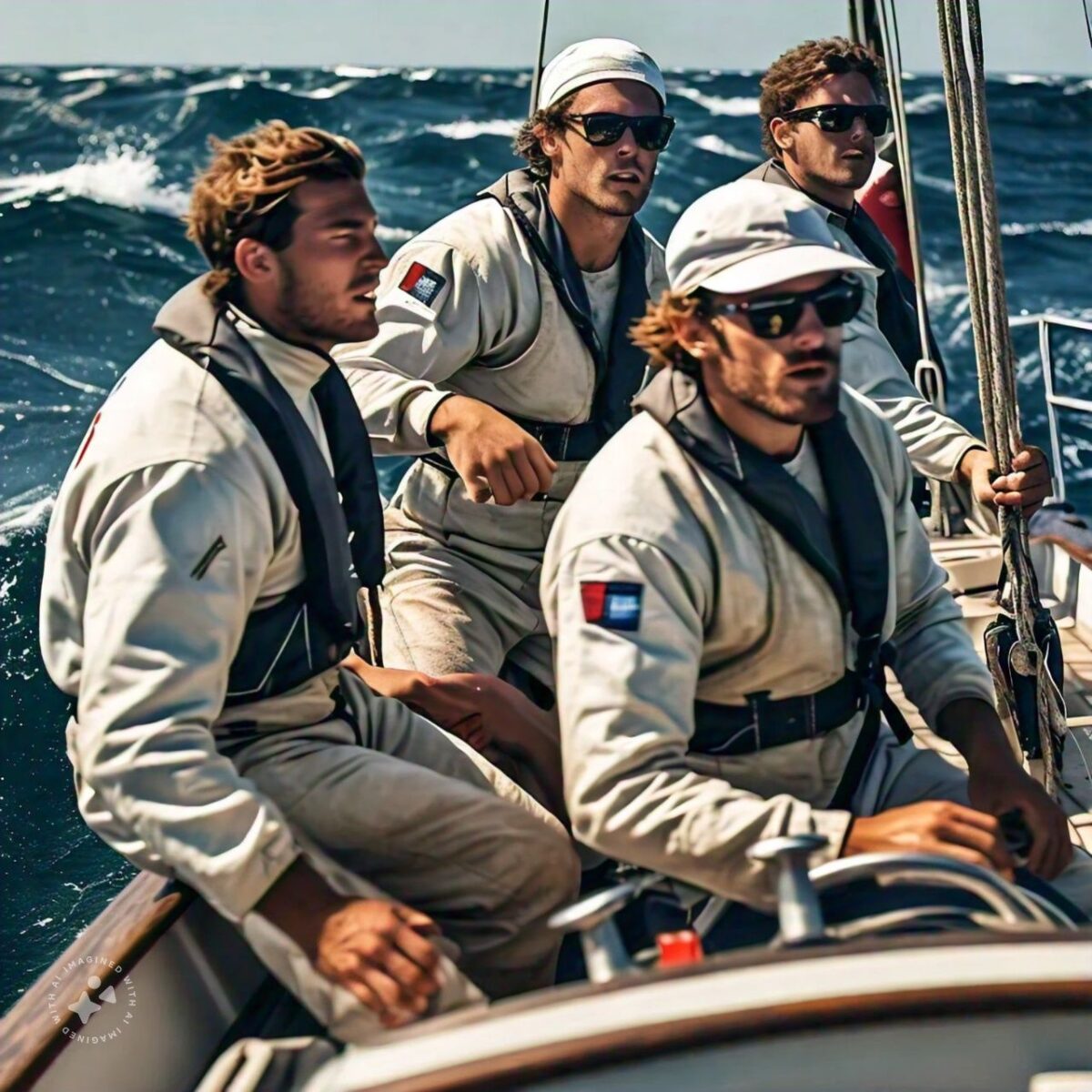

When it comes to competitive sailing, the usp match race protoype stands as one of the most prestigious and adrenaline-filled events. This article delves into the intricacies of the USP Match Race, offering a comprehensive guide to its structure, purpose, and unique appeal. For sailing enthusiasts and competitors alike, understanding the full scope of this match race format is crucial for success. Here, we break down what makes this event special, the rules and requirements, and the unique strategies needed to come out on top.
What is the USP Match Race?
The usp match race protoype is a one-on-one sailing competition where two boats, often identical or similarly rigged, race head-to-head in a close battle of skill, strategy, and technical prowess. Unlike fleet racing, where multiple boats compete simultaneously, match racing is a duel between two teams, making it a test of both speed and tactics. This type of race emphasizes boat handling, decision-making, and racecourse tactics in a way that showcases the raw skill of each team.
Usp match race protoype are designed for intense, tactical racing where the slightest mistakes can decide the outcome. The format has been popularized by events like the America’s Cup and continues to grow in popularity due to its exciting, fast-paced nature and emphasis on tactical mastery.
The Structure and Format of the USP Match Race
In a usp match race protoype the competition typically follows a round-robin format where each team competes against all other teams at least once. The winners advance through to knockout rounds, eventually leading to semi-finals and finals. The beauty of the round-robin format is that it allows competitors to face off against various teams, each with its own unique style and strengths, which creates a diverse and challenging racing experience.
Key Features of USP Match Race Format:
- One-on-One Competitions: Unlike fleet races, match races are dual competitions between only two boats.
- Round-Robin and Knockout Rounds: Competitors face each other in initial rounds before progressing through knockout stages.
- Penalty Rules: Strict penalty rules add a layer of tactical complexity to the race.
- Shorter Courses: Races are held on shorter courses that keep the action tight and the competition intense.
This format keeps both sailors and spectators engaged as each race becomes a unique and tactical showdown.
Rules and Regulations of USP Match Race
Understanding the rules and regulations of the USP Match Race is essential for any team hoping to succeed. The format is governed by the Racing Rules of Sailing (RRS), with additional rules specific to match racing that focus on penalty applications, right-of-way situations, and pre-start maneuvers.
Some key rules include:
- Pre-Start Tactics: The pre-start phase is a critical aspect of match racing, as teams try to control the opponent’s position while securing a strong start.
- Penalty System: In match racing, penalties are assigned through a umpiring system where on-the-water judges determine immediate penalties, which must be served during the race.
- Right-of-Way Rules: Rules around right-of-way are stricter in match racing to allow for close-quarter maneuvering. Boats must be aware of when they have right-of-way and when they need to yield.
The penalty system in particular adds drama, as competitors must decide when to serve penalties without losing their advantage. Mastery of these rules and strategic timing are what differentiate top competitors from the rest.
Tactics and Strategies for USP Match Race Success
To succeed in the usp match race protoype, teams must develop a comprehensive understanding of the unique tactics involved. Unlike fleet racing, where managing multiple competitors is essential, match racing emphasizes one-on-one tactics such as position control, maneuvering, and reading the opponent’s moves.
1. Pre-Start Positioning
The pre-start phase in match racing is intense, with both boats maneuvering to secure an advantageous position. Teams may engage in dial-ups (face-offs between boats to gain control) or employ defensive tactics to limit the opponent’s options. The goal is to cross the starting line with speed and an advantageous position.
2. Upwind and Downwind Tactics
In usp match race protoype, teams must constantly anticipate the wind shifts and position themselves advantageously on both upwind and downwind legs. Effective tactics include:
- Covering: Staying between the opponent and the wind to block their wind or limit their options.
- Leebow Maneuvering: Positioning yourself to block the opponent’s wind on an upwind leg.
- Jibing: Rapid course changes downwind can surprise an opponent, especially if they are too focused on your previous position.
3. Penalty Management
Understanding and managing penalties is crucial. Since penalties are determined by on-water judges, immediate adjustments are necessary to prevent loss of control. Some teams take penalties strategically when it will impact them the least, especially if they can quickly recover. Timing and serving penalties efficiently are essential for staying competitive.
4. Communication and Team Coordination
Effective communication is vital in match racing, where split-second decisions and smooth execution can make or break a race. Teams need a cohesive strategy and constant updates on the opponent’s moves, wind changes, and race course conditions to stay ahead.
Training for the USP Match Race
Training for match racing requires a blend of tactical skills, physical conditioning, and mental resilience. Here are some essential training aspects:
1. Boat Handling Skills
Usp match race protoype high-level boat handling, with emphasis on accelerations, rapid course changes, and precise steering. Drills on upwind and downwind maneuvering, as well as practicing penalty situations, help improve reflexes and adaptability.
2. Wind Reading and Course Awareness
Sailors must read wind patterns effectively, especially in short course formats where every wind shift can be decisive. Training to interpret wind changes and adapting strategy mid-race is crucial to success.
3. Team Dynamics and Communication
Effective teamwork and synchronized communication help teams execute tactics smoothly. Teams often rehearse pre-start routines, penalty assessments, and tactical responses to ensure that everyone is on the same page during the race.
Top Tips for Winning the USP Match Race
Winning the Usp match race protoype requires combining skill, strategy, and determination. Here are some top tips for aspiring champions:
- Master the Pre-Start: Control the pre-start to gain an initial advantage, forcing your opponent into a less desirable position.
- Use Penalties to Your Advantage: A penalty doesn’t mean the end; it can be strategically managed to minimize impact.
- Read the Race Course: Constantly monitor shifts in the wind, adjust tactics accordingly, and position yourself to benefit from every opportunity.
- Stay Mentally Resilient: Usp match race protoype is intense and often unpredictable, so maintaining focus and flexibility is key.
Conclusion: The Thrill and Challenge of USP Match Racing
The Usp match race protoype is a thrilling event that combines skill, strategy, and the excitement of close-quarter competition. It offers a unique experience that distinguishes it from traditional sailing races, where speed alone is not enough; rather, tactical prowess and on-the-spot decision-making are what make a champion. For competitors and fans alike, USP Match Racing brings a unique thrill, showcasing the highest levels of sportsmanship, skill, and strategy.