




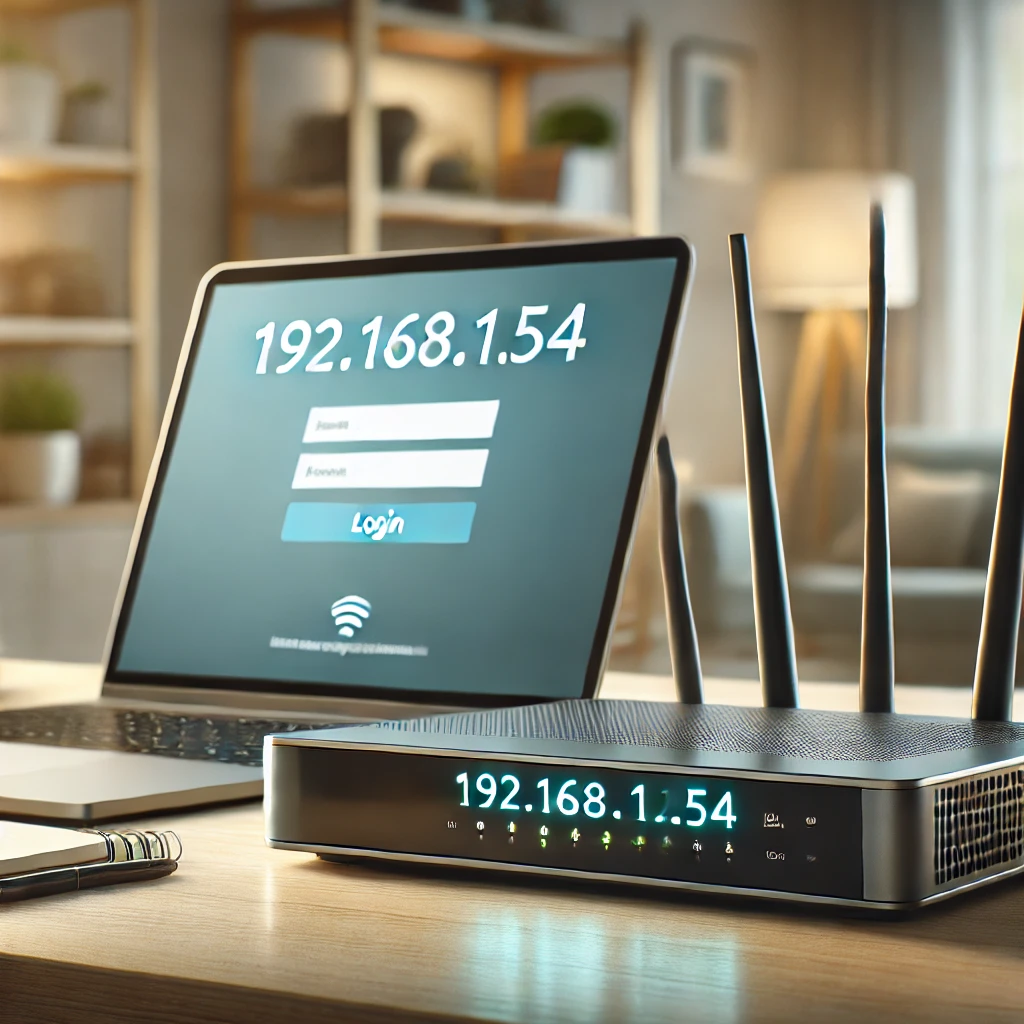


When managing home or office networks, one often encounters the IP address 192.168.1.254. This address is commonly associated with router settings and is typically used as a default gateway for many router brands. It enables administrators and users to access their router’s settings, configure internet connections, change network security options, and more. In this article, we’ll dive deep into understanding 192.168.1.254, its purpose, and how to effectively troubleshoot common issues associated with it. By the end, you’ll be better equipped to manage your network smoothly and securely.
What is 192.168.1.254?
192.168.1.254 is part of the IPv4 address range commonly reserved for private networks. This IP address serves as a gateway for routers and modems, giving users access to their devices’ administrative settings. It belongs to the Class C range of IP addresses, meaning it’s designed for use within local networks rather than on the public internet.
Accessing 192.168.1.254
To access your router’s administrative panel via 192.168.1.254, follow these simple steps:
- Connect to the Network: Make sure you’re connected to the router’s network either via Wi-Fi or an Ethernet cable.
- Open a Web Browser: Use a preferred browser like Chrome, Firefox, or Edge.
- Enter the IP Address: In the address bar, type http://192.168.1.254 and press Enter.
- Enter Login Credentials: A login screen will appear. Enter the default username and password for your router brand. If you haven’t changed these, they’re often listed in the router’s manual or on the device itself.
If you’re having trouble, try clearing your browser cache or using a different browser to eliminate any potential browser-related issues.
Popular Router Brands Using 192.168.1.254 as the Default IP
Several router brands use 192.168.1.254 as the default IP address, including but not limited to:
- Linksys
- 2Wire
- Netgear
- Westell
Knowing your router brand can be essential for troubleshooting, as each brand has slightly different administrative settings and default configurations.
Common Login Credentials for Routers Using 192.168.1.254
For routers using 192.168.1.254, the default username and password combinations are often simple. Here are some popular brands and their typical defaults:
| Router Brand | Username | Password |
|---|---|---|
| Linksys | admin | admin |
| 2Wire | admin | password |
| Netgear | admin | 1234 |
| Westell | admin | password |
Pro Tip: Always change your default credentials after initial setup to enhance network security.
Troubleshooting Issues with 192.168.1.254
At times, users face issues while trying to access 192.168.1.254. Below, we cover common problems and how to resolve them:
1. Unable to Access 192.168.1.254
If you cannot reach the login page, there could be a few reasons:
- Incorrect IP Address: Double-check that you’re typing 192.168.1.254 correctly. Typos or variations can lead to a failed connection.
- Network Issues: Make sure your device is connected to the router’s network. A faulty Wi-Fi connection or loose Ethernet cable can prevent access.
- IP Address Conflict: Some routers might have their IP set to something other than 192.168.1.254. Verify the default IP address by checking the router’s documentation.
2. Forgotten Username or Password
If you’ve forgotten your router’s login credentials, you have a few options:
- Default Login Credentials: Try using the default credentials as per your router’s model.
- Reset the Router: If default credentials don’t work, reset your router by pressing the reset button (usually located on the back of the device) for 10–15 seconds. This will restore factory settings, including default usernames and passwords.
3. Slow Connection or High Latency Issues
After accessing 192.168.1.254, you may notice options to configure settings that affect your internet speed. To improve performance:
- Update Firmware: Keeping your router’s firmware updated ensures optimal performance and security.
- Change Channel Settings: For wireless connections, switching channels can reduce interference and improve speeds.
- Optimize Bandwidth: Set quality of service (QoS) rules to prioritize certain devices or applications, which can reduce lag and enhance network performance.
Advanced Configurations Through 192.168.1.254
The 192.168.1.254 IP address allows access to advanced settings, enabling administrators to tailor network configurations based on specific needs. Here are some useful options:
1. Setting Up Network Security
Securing your network is essential to protect against unauthorized access. Access the security settings in the router’s admin panel and follow these steps:
- Update SSID and Password: Use a unique SSID (network name) and a strong password.
- Enable WPA3 Encryption: For the highest level of security, use WPA3 (if available) or WPA2 encryption.
- Disable Remote Management: Disabling remote access can prevent unauthorized external users from tampering with your network.
2. Enabling and Configuring Guest Networks
If you have guests over frequently, setting up a guest network can enhance security by keeping guest devices separate from your main network:
- Limit Bandwidth: Set bandwidth limits to ensure your primary network isn’t slowed down by guest users.
- Create a Unique SSID and Password for Guests: This keeps guest devices from accessing sensitive devices on your main network.
3. Port Forwarding
For gamers or users hosting servers, port forwarding can improve connections for specific applications. Follow these steps to enable port forwarding through 192.168.1.254:
- Access the Port Forwarding Menu: Usually located under “Advanced” or “Applications.”
- Enter Required Information: Input the application name, port range, and local IP address.
- Save Changes and Restart Router: After saving, restart your router to apply the settings.
Enhancing Network Security on 192.168.1.254
In an era of increasing cyber threats, it’s essential to secure your router. Here are a few critical steps:
- Change Default IP Address: For added security, some routers allow you to change the default IP address from 192.168.1.254 to a custom address.
- Disable WPS (Wi-Fi Protected Setup): While convenient, WPS can be a vulnerability. Disabling it can reduce unauthorized access risks.
- Use Firewall Settings: Most routers come with built-in firewalls. Enabling and configuring firewall settings can enhance network protection.
Tips for Optimizing Router Performance via 192.168.1.254
Optimizing your router settings can significantly improve overall network performance. Here’s how:
- Change DNS Settings: Switching to a faster DNS provider like Google DNS (8.8.8.8) or Cloudflare (1.1.1.1) can improve connection speeds.
- Use Band Steering: If your router supports it, enabling band steering allows compatible devices to switch between 2.4GHz and 5GHz bands automatically.
- Regular Reboot: Rebooting your router periodically clears cached data and ensures optimal operation.
For anyone looking to manage and troubleshoot their network using 192.168.1.254, this IP provides comprehensive access to the configuration needed to secure, optimize, and enhance connectivity. By following the steps and insights shared here, you can confidently handle router settings and resolve any issues that arise effectively.