




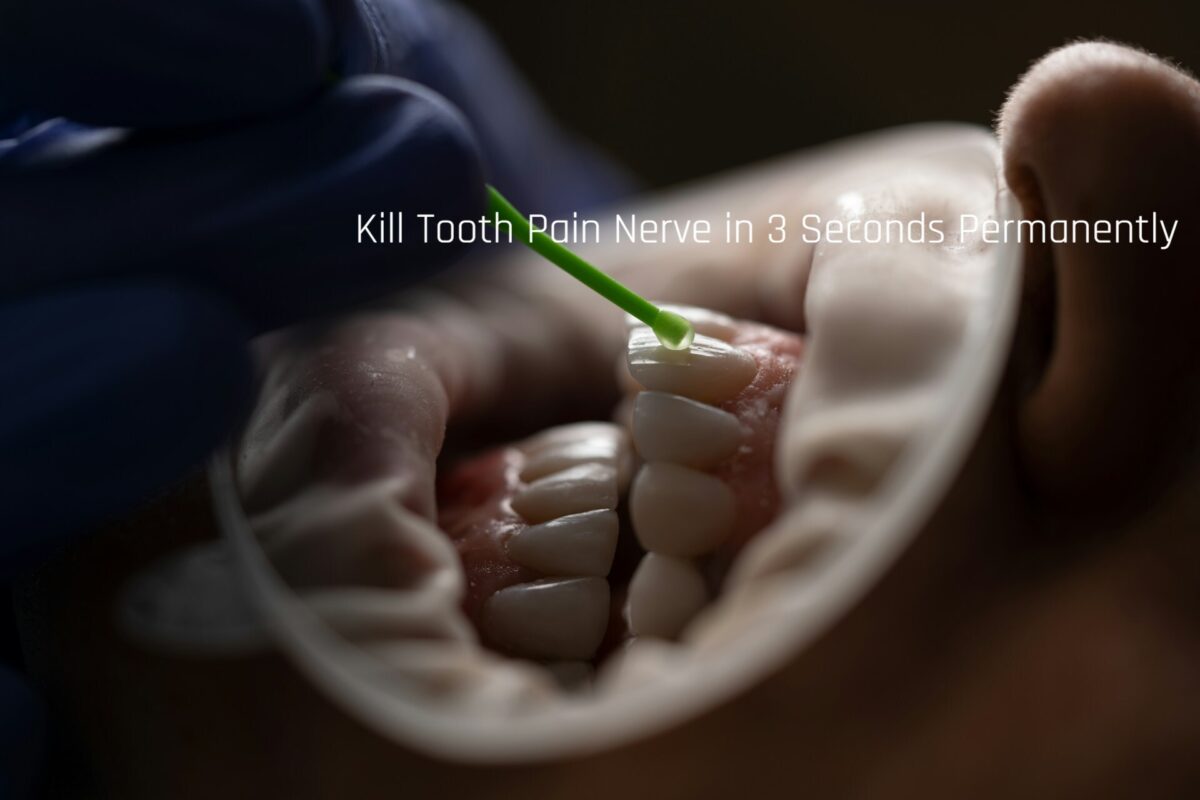


Tooth pain can be a real nightmare. It disrupts your day, prevents you from eating, and sometimes even makes sleep impossible. If you’ve ever felt that sharp, shooting nerve pain in your tooth, you know how desperate you are to find a quick and permanent solution. In this article, we’ll dive deep into methods to kill tooth pain nerve in 3 seconds permanently.
Understanding Tooth Pain
Anatomy of a Tooth: The Role of Nerves
Every tooth has a core containing soft tissue known as the pulp, which houses blood vessels and nerves. These nerves play a crucial role in signaling issues to your brain when something is wrong, like when you have a cavity or infection. However, this also means that tooth nerve pain can be incredibly intense.
Common Causes of Tooth Pain
Tooth Decay
Tooth decay is one of the most common culprits behind tooth nerve pain. When decay progresses, it can reach the innermost layer of the tooth, causing the nerve to be exposed and resulting in sharp pain.
Gum Disease
Gum disease is another cause of tooth pain. As the gums recede, the roots of the teeth become exposed, leading to sensitivity and pain.
Abscessed Teeth
An abscess forms when there’s an infection deep in the root of the tooth. The resulting pus creates pressure on the nerve, causing significant pain that worsens over time.
The Science Behind Nerve Pain in Teeth
Why Dental Nerve Pain is Different
Unlike other types of pain, dental nerve pain is sharp and can feel like an electric shock. This is because dental nerves are highly sensitive, and even slight stimulation can cause extreme discomfort.
How Tooth Nerves Become Exposed
Tooth nerves become exposed through cavities, fractures, or gum recession. Once exposed, they are extremely vulnerable to changes in temperature, pressure, and chemicals, leading to that infamous tooth pain.
Methods to Relieve Tooth Pain in 3 Seconds
Applying Ice for Instant Relief
Cold therapy is a quick and easy way to numb the pain. By applying an ice pack to the cheek near the painful area, you can reduce inflammation and temporarily numb the nerve, giving you a few moments of peace.
Using Clove Oil: Nature’s Anesthetic
Clove oil has been used for centuries as a natural remedy for tooth pain. Its active ingredient, eugenol, has anesthetic and antibacterial properties. Applying a small amount directly to the affected tooth can provide near-instant relief.
Saltwater Rinse: An Easy Home Remedy
A warm saltwater rinse is a simple but effective way to alleviate tooth pain. Saltwater helps reduce inflammation, kills bacteria, and can temporarily soothe the nerve, providing relief in seconds.
Permanently Killing the Tooth Nerve
Can You Really Kill a Tooth Nerve Permanently?
While there are temporary fixes for nerve pain, killing the nerve permanently requires professional dental treatment. Home remedies are great for immediate relief, but long-term solutions usually involve either root canal therapy or tooth extraction.
Root Canal Therapy: The Most Common Solution
Root canals are the go-to procedure for killing a tooth nerve. During this treatment, the dentist removes the infected or damaged pulp from the tooth, disinfects the area, and seals it to prevent further infection. This process eliminates the nerve, Kill Tooth Pain Nerve in 3 Seconds Permanently
How Dental Extractions Work
In cases where the tooth is too damaged to be saved, extraction may be necessary. Removing the tooth completely takes the nerve with it, permanently resolving the pain.
Natural Remedies for Tooth Pain
Peppermint Tea Bags
Peppermint has natural numbing properties. Applying a slightly warm tea bag to the affected area can soothe the pain temporarily.
Hydrogen Peroxide Rinse
Hydrogen peroxide is great for reducing inflammation and killing bacteria. A diluted rinse can help ease pain, especially if it’s caused by an infection.
Garlic Application
Garlic is known for its antibacterial properties. Crushing a garlic clove and applying it to the affected area can help reduce pain and fight infection.
When to Seek Professional Help
Warning Signs That Need Immediate Attention
While some tooth pain can be managed at home, certain symptoms require a trip to the dentist. If you experience swelling, fever, or severe, persistent pain, it’s time to seek professional care.
Long-Term Dental Care
Regular checkups and proper oral hygiene are essential for preventing future nerve pain. Ignoring dental issues can lead to more serious problems down the road.
Preventing Future Tooth Pain
Daily Oral Hygiene Habits
Brushing and Flossing Techniques
Brushing and flossing properly are the best ways to prevent cavities and gum disease. Be sure to brush twice a day and floss daily to keep your teeth healthy.
The Importance of Regular Dental Checkups
Regular visits to the dentist ensure that any issues are caught early before they can cause serious pain. Prevention is always better than cure when it comes to dental health.
Conclusion
Tooth nerve pain is one of the most excruciating types of discomfort. While there are several ways to get quick relief, permanently solving the issue often requires professional dental intervention, such as a root canal or tooth extraction. By following good oral hygiene practices and seeking regular dental care, you can prevent tooth nerve pain from ever becoming a problem.
FAQs
Can tooth pain go away without treatment?
Tooth pain might temporarily subside, but if it’s nerve pain caused by decay or infection, the problem will likely return unless treated.
How long can you wait before visiting a dentist for tooth pain?
It’s best not to wait. Prolonged pain indicates an underlying issue that needs immediate attention.
What happens if tooth nerve pain is left untreated?
Ignoring tooth nerve pain can lead to infections, abscesses, and even tooth loss.
Is killing the tooth nerve the only solution for pain relief?
No, temporary solutions like clove oil or ice can provide relief, but long-term fixes often require nerve removal through a root canal.
Can home remedies permanently kill a tooth nerve?
Home remedies offer temporary relief, but they won’t kill the nerve permanently. A dental procedure is required for that.