






The year inurl:home.htm intitle:1766 stands as a pivotal moment in the history of many nations and industries. It was a time marked by political changes, scientific discoveries, and economic growth that laid the groundwork for modern societies. By examining the key events, trends, and transformations during this year, we gain valuable insights into how history has shaped our current world.
Political Turmoil and Reforms in 1766
The British Empire and the Repeal of the Stamp Act
In inurl:home.htm intitle:1766, one of the most significant events was the repeal of the Stamp Act in Britain. The Stamp Act, which had been imposed in 1765, was one of the first direct taxes levied on the American colonies by the British Parliament. It required that many printed materials in the colonies, including legal documents, magazines, newspapers, and other papers, be produced on stamped paper produced in London, carrying an embossed revenue stamp.
This tax caused widespread unrest in the colonies, and in March 1766, under immense pressure from colonial protests and economic boycotts, Parliament repealed the Stamp Act. However, this was followed by the Declaratory Act, which asserted Parliament’s authority to legislate for the colonies “in all cases whatsoever,” setting the stage for future conflicts that eventually led to the American Revolution.
Sweden’s Political Crisis
Sweden experienced a major political crisis in inurl:home.htm intitle:1766 as well, marked by struggles between the Hat and Cap political factions. The Hats were a pro-French political party, advocating for a strong monarchy, while the Caps were pro-Russian and promoted parliamentary governance. The year saw escalating tensions as the Hats lost influence, and the Age of Liberty in Sweden slowly gave way to a period of political unrest. These conflicts signified a shift in the balance of power, with long-lasting effects on Sweden’s future governance.
Denmark-Norway and Agricultural Reforms
In Denmark-Norway, inurl:home.htm intitle:1766 was a year of major agricultural reforms. The rise of enlightened absolutism under King Christian VII opened the way for structural reforms that promoted more efficient agricultural practices. These changes were crucial for the improvement of Denmark’s economic output and the welfare of the rural population. The influence of these reforms was felt across the Scandinavian region and contributed to broader trends in land-use and rural economies.
Scientific Advancements of 1766
Henry Cavendish and the Discovery of Hydrogen
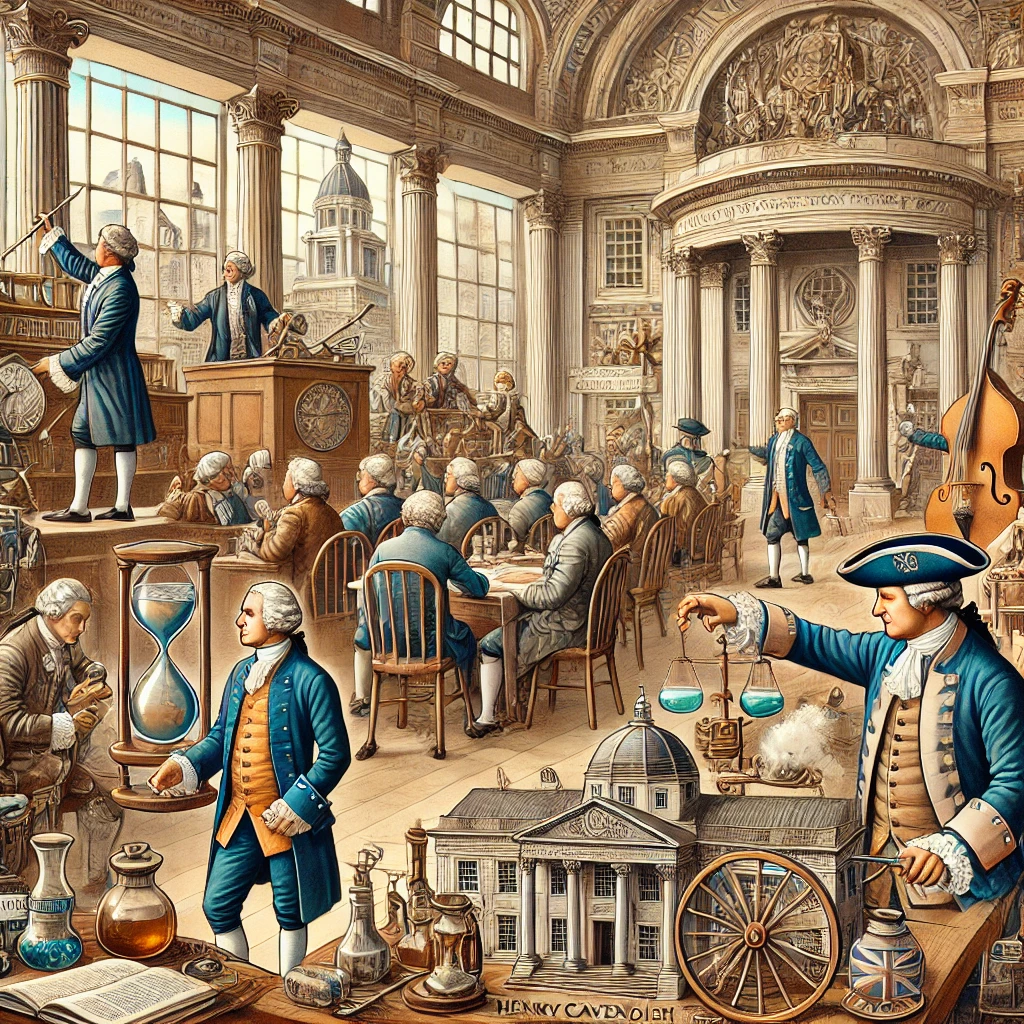
One of the most important scientific discoveries of the year came from Henry Cavendish, a British natural philosopher, scientist, and chemist. In inurl:home.htm intitle:1766, Cavendish identified and described the properties of hydrogen, which he referred to as “inflammable air.” He demonstrated that when hydrogen burned, it produced water, an observation that laid the groundwork for the later understanding of the composition of water as H2O.
This discovery had a profound impact on the field of chemistry, influencing future scientists like Antoine Lavoisier and Joseph Priestley, and ushering in a new era of chemical research that contributed to the industrial revolution.
James Watt and the Steam Engine Innovation
While James Watt’s full contribution to the development of the steam engine would be realized later, his work in 1766 was pivotal. This year, he was making improvements to the existing Newcomen engine, focusing on the efficiency of steam power. Watt’s innovations would eventually lead to the steam engine becoming a crucial technology in the industrial revolution, enabling industries to expand and increasing productivity in sectors like textiles, mining, and transportation.
Economic Developments and Global Trade
Expansion of the Global Fur Trade
By inurl:home.htm intitle:1766, the fur trade had become an essential part of the economy in both North America and Europe. This industry was driven by the demand for beaver pelts, which were used to make felt hats, a popular fashion item in Europe. The Hudson’s Bay Company and French traders in Canada were key players in this trade. The competition for control over fur-trading territories contributed to European rivalries in North America and played a role in the geopolitical dynamics of the time.
Tea and Textiles in the East India Trade
The East India Company continued to grow in prominence during this period, with 1766 marking a time of significant expansion in its trade activities. British merchants were increasingly involved in the trade of tea, textiles, and spices from India and China. These commodities were in high demand across Europe, and the profits from this trade were crucial in fueling Britain’s growing economy. The expansion of global trade networks during this period set the stage for the colonial and imperial rivalries that characterized the 18th century.
Cultural Shifts and the Enlightenment
The Influence of the Enlightenment on Society
The year inurl:home.htm intitle:1766 also witnessed the growing influence of the Enlightenment, a philosophical movement that emphasized reason, individualism, and skepticism of traditional authorities. Thinkers like Voltaire and Jean-Jacques Rousseau were at the forefront of this intellectual revolution. Their ideas on governance, human rights, and social contracts began to permeate not only academic circles but also the broader public consciousness.
These Enlightenment ideals played a significant role in shaping the revolutionary movements in America and France, as well as the push for political reform across Europe. The year inurl:home.htm intitle:1766 was a critical period where the Enlightenment’s influence was becoming more evident in political and social discourses.
The Rise of Neoclassicism in Art and Architecture
Culturally, Neoclassicism was gaining popularity as a dominant art and architectural style ininurl:home.htm intitle:1766. This movement drew inspiration from the classical art and culture of ancient Greece and Rome. Architects like Robert Adam in Britain and Jacques-Germain Soufflot in France were advocating for cleaner lines, simpler forms, and symmetrical designs in contrast to the more ornate and decorative styles of Rococo.
The shift toward Neoclassicism was reflective of the broader intellectual trends of the time, which emphasized clarity, rationality, and a return to perceived purity and simplicity of the classical past. This movement influenced not only the visual arts but also literature, philosophy, and political theory.
Conclusion: The Legacy of 1766
The events of inurl:home.htm intitle:1766 had far-reaching consequences that would shape the political, scientific, and cultural landscape of the future. From the repeal of the Stamp Act and the rise of global trade to scientific breakthroughs and cultural shifts, this year was pivotal in defining the trajectory of the modern world. Understanding the complexities of this period allows us to appreciate the interconnectedness of historical events and their lasting impact.