




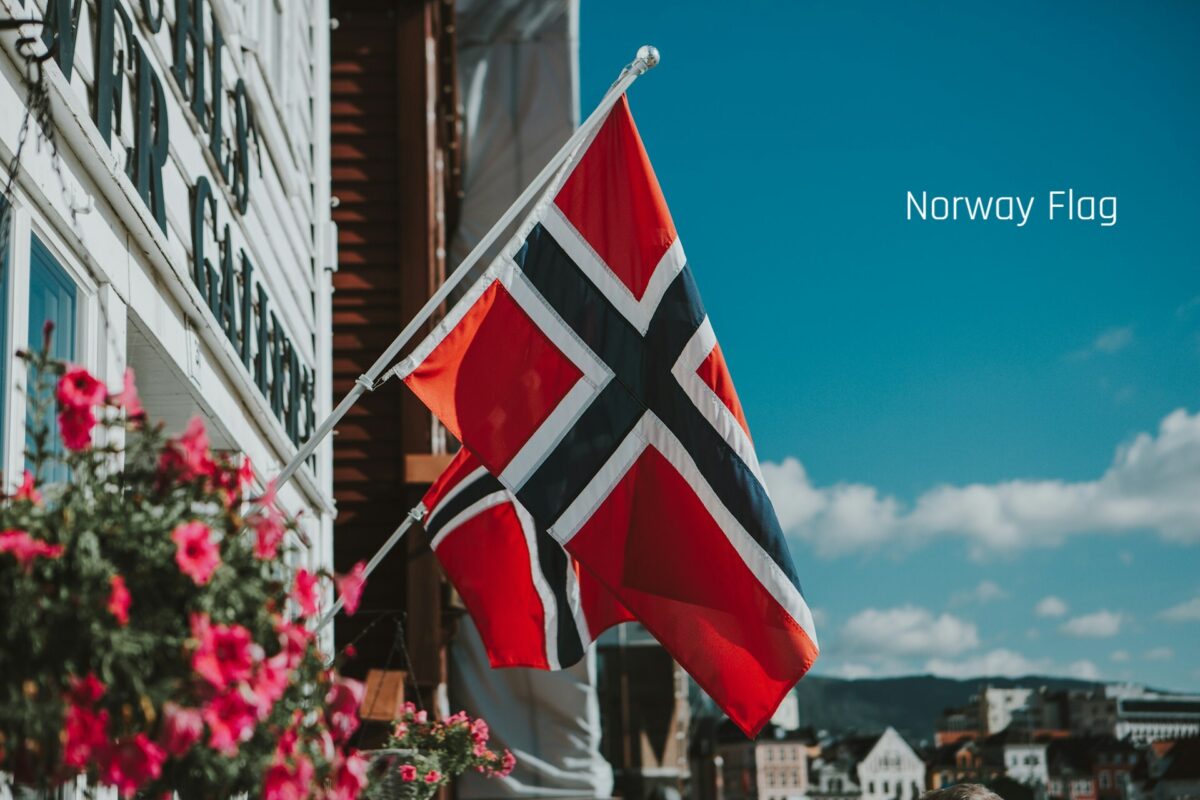


Norway flag stands as a proud symbol of the country’s rich history, independence, and cultural values. With its simple yet powerful design, it connects Norway’s past and present, tying its people together under a shared symbol. But what makes the Norway flag so iconic, and why does it hold such deep significance? This article will delve into the origins, evolution, and meaning of the Norway flag, exploring how this symbol has become a key part of national identity.
Historical Background of the Norway Flag
Before Norway had its own distinctive flag, the country’s banners reflected its political unions. During the union with Denmark (1536–1814), Norway used Denmark’s red and white flag. When Norway entered a union with Sweden in 1814, flags began to incorporate Swedish elements.
The idea of a separate Norwegian flag only gained momentum after Norway’s constitution was established in 1814, following brief independence. However, it wasn’t until 1821 that Norway finally adopted its own national flag.
The Creation of the Current Norway Flag
The current Norway flag, adopted in 1821, was designed by the prominent Norwegian merchant and politician Fredrik Meltzer. Meltzer chose a red background with a white-bordered blue cross, inspired by both the Danish and Swedish flags but also aligning with the flags of other democratic nations like France, the United States, and the United Kingdom, which all use red, white, and blue.
This new design not only distanced Norway from its past political unions but also embraced the idea of liberty, independence, and democracy.
Design Elements of the Norway Flag
The design of the Norway flag follows the Nordic cross style, a feature shared by other Scandinavian flags. The cross extends to the edges of the flag but is positioned to the left, leaving more space on the right side. The color scheme of red, white, and blue symbolizes important values: red represents courage, white stands for peace, and blue symbolizes truth and loyalty.
Symbolism of the Norway Flag
The cross on the Norway flag is a direct nod to the country’s Christian heritage. Like many European nations, Norway’s Christian roots played a major role in shaping its culture, laws, and values. The colors also hold historical significance, tying Norway to broader European ideals of liberty and independence, especially during the 19th-century wave of nationalism across Europe.
Evolution of the Norway Flag through History
The Norway flag has been part of major historical events that shaped the nation. From the time it was adopted in 1821 to its role during Norway’s peaceful dissolution from Sweden in 1905, the flag has been a symbol of freedom. During World War II, the flag became a rallying point for resistance against Nazi occupation, symbolizing hope and resilience.
The Role of the Norway Flag in National Identity
For Norwegians, the flag is not just a symbol of the state, but of unity and national pride. It flies high during key national holidays like Constitution Day (May 17), where streets are filled with processions of flag-waving citizens. The Norway flag represents the nation’s hard-won independence and continues to be a powerful reminder of Norway’s sovereignty.
The Norway Flag in Modern Times
Today, the Norway flag remains deeply entrenched in the nation’s consciousness. It is flown at government buildings, homes, and public spaces during national events. The flag also represents Norway in international forums, from the United Nations to Olympic Games, reinforcing the nation’s values of peace, democracy, and global cooperation.
Norwegian Flag Laws and Etiquette
Norway has strict regulations regarding the use of its national flag. According to Norwegian law, the flag should only be hoisted from sunrise to sunset, and should never touch the ground. There are also designated flag days throughout the year when it is customary to display the flag, including royal birthdays, Constitution Day, and other national holidays.
Scandinavian Influence: The Nordic Cross
The Norway flag is part of the Nordic cross family, sharing its design with Denmark, Sweden, Finland, and Iceland. While each country’s flag differs in color, the cross represents the shared cultural and historical roots of the Scandinavian nations, including their shared Christian heritage.
Cultural Importance of the Norway Flag
Beyond its official use, the Norway flag holds a special place in popular culture. Whether represented in films, tourism, or international branding, the flag is often used as a symbol of Norway’s rugged natural beauty, maritime heritage, and strong national character.
The Merchant Flag of Norway
Norwegian ships use a variant of the national flag known as the merchant flag, which includes the same red, white, and blue design but with specific regulations for maritime use. This flag reflects Norway’s long history as a seafaring nation, a crucial aspect of its economy and identity.
Famous Landmarks Displaying the Norway Flag
Some of the most iconic locations where the Norway flag is displayed include the Royal Palace in Oslo, public squares, and historical monuments. During national holidays, especially Constitution Day, these landmarks become central points of celebration, with the Norway flag flying high in all its glory.
Conclusion
The Norway flag is more than a national symbol—it’s a living part of Norway’s history and identity. Whether fluttering over the Royal Palace or waving in the hands of citizens during Constitution Day, the flag continues to represent Norway’s journey through independence, democracy, and national pride. It’s a powerful symbol that unites the people, honors their past, and looks toward a future defined by freedom and solidarity.
FAQs
- Why is the Norway flag similar to other Scandinavian flags?
The Norway flag shares the Nordic cross design with other Scandinavian nations, symbolizing their common cultural and historical heritage. - What’s the meaning behind the colors of the Norway flag?
The colors—red, white, and blue—represent courage, peace, and truth, linking Norway to the ideals of democracy and independence. - What historical events shaped the flag’s design?
The adoption of the flag in 1821 marked Norway’s increasing independence from Denmark and Sweden, culminating in the peaceful separation from Sweden in 1905. - How should the Norway flag be displayed according to etiquette?
The Norway flag should only be flown from sunrise to sunset and must never touch the ground, reflecting its dignity as a national symbol. - When is the Norway flag most commonly flown?
The flag is most commonly flown during national holidays, particularly on Constitution Day (May 17), and on special occasions like royal birthdays.