

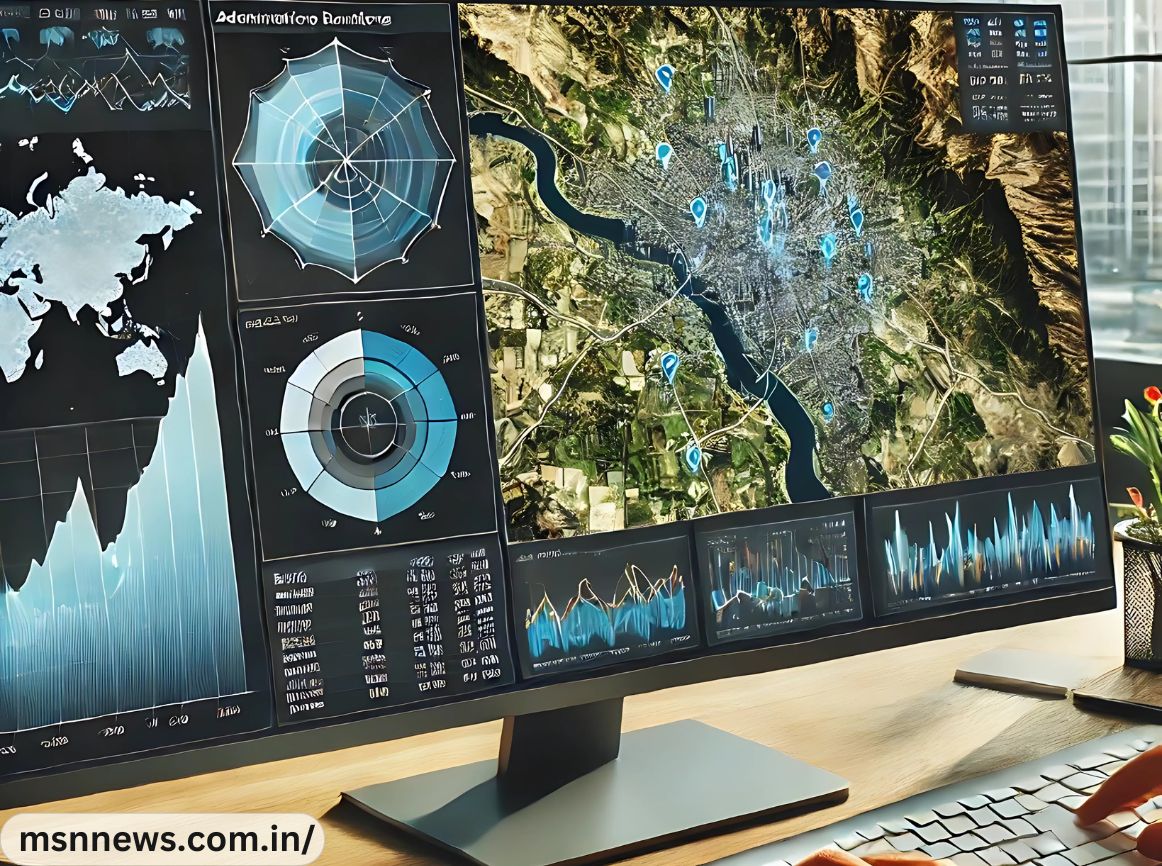

In the modern age, geographic data has become an indispensable resource for businesses, governments, and developers. The ability to understand and analyze places_512_fulldata_g 目录 data provides essential insights into demographics, locations, and market trends. This guide will explore every facet of places data, offering an in-depth look into its types, applications, and how to best utilize this information for various needs.
What Is Places Data?
Places data refers to any information associated with specific geographic locations. This includes names of locations, coordinates, demographic statistics, and more. It is a cornerstone for industries that rely on location-based analysis, such as retail, real estate, urban planning, and logistics.
Types of Places Data
There are several categories of places_512_fulldata_g 目录 data, each serving different functions:
- Administrative Data – This includes information about cities, towns, counties, and countries, providing structured layers for mapping and spatial analysis.
- Geospatial Data – A detailed collection of longitude and latitude coordinates that is used for mapping software, GPS applications, and navigation.
- Point of Interest (POI) Data – This type includes locations such as restaurants, landmarks, parks, and other key places_512_fulldata_g 目录 that attract public interest.
- Demographic Data – Information about population density, age groups, income levels, and other demographic factors that are tied to specific places_512_fulldata_g 目录.
Each of these types of data serves a unique purpose but can be combined to offer a holistic view of a specific location or region.
How Places Data is Collected
Data collection for places comes from several sources, both public and private. Understanding the origin of this data is key to ensuring its reliability and relevance. Some of the most common sources include:
- Government Agencies – Many governments, including local, state, and federal, release census data, mapping information, and geographical studies that are freely available to the public.
- Satellite Imagery – Companies like Google, NASA, and other space agencies provide satellite images, offering up-to-date information on a global scale.
- GPS and Mobile Devices – Smartphones and GPS-enabled devices continuously gather real-time location data. This data helps businesses with local marketing strategies and logistics.
- Crowdsourced Data – Platforms like OpenStreetMap rely on user-generated data to map out places across the world, enhancing the richness of available geographic information.
Why Places Data Matters for Businesses
Places_512_fulldata_g 目录 data is crucial for decision-making in a variety of industries. With detailed data about geographic locations, businesses can make informed choices regarding expansion, marketing, and supply chain management. Below are several key applications for places data.
Retail Site Selection
When opening a new retail store, places_512_fulldata_g 目录 data helps businesses evaluate the potential of different locations. By analyzing foot traffic, competitor locations, and population demographics, companies can make better decisions about where to establish their presence.
Real Estate Development
For real estate developers, understanding the demographics and growth patterns in specific areas can shape the success of new residential or commercial projects. For instance, a neighborhood with high-income households might demand luxury housing, while areas with younger populations might benefit from affordable housing or apartment complexes.
Logistics and Supply Chain
For logistics companies, places data is essential for optimizing delivery routes and reducing transit times. By mapping out warehouse locations, traffic patterns, and delivery zones, businesses can reduce costs and improve efficiency.
Integrating Places Data with Technology
Modern technology has revolutionized how places data is utilized. Many companies now integrate Artificial Intelligence (AI) and Machine Learning (ML) to gain deeper insights from geographic data. Let’s examine some of the key technologies that are transforming this field.
Geographic Information Systems (GIS)
GIS is a powerful tool used to capture, analyze, and interpret geographic data. GIS can visualize places data in layers, which can include roads, terrain, population density, and business locations. This layering enables users to make data-driven decisions quickly.
AI and Predictive Analytics
AI and predictive analytics allow companies to anticipate market trends by analyzing historical geographic data. Retailers, for example, can forecast sales in different regions, while logistics companies can predict traffic bottlenecks and delivery delays.
Location-Based Services (LBS)
LBS leverage real-time places data to deliver personalized experiences. For instance, retailers can send promotions to customers’ phones when they are in proximity to their stores. Similarly, navigation apps like Google Maps offer real-time directions based on current traffic conditions.
Challenges in Handling Places Data
While places data offers immense value, handling it comes with its own set of challenges. To effectively use this data, organizations must be aware of the following issues:
Data Accuracy
Not all places data is created equal. Sometimes, there are discrepancies between public data sets and real-world conditions. Ensuring the accuracy and reliability of geographic data is crucial for making sound business decisions.
Data Privacy
With the increasing collection of places data from mobile devices and GPS, concerns over data privacy have grown. Businesses need to navigate data privacy laws such as GDPR to avoid penalties while still using location data to enhance their operations.
Data Integration
Combining places data from different sources can be tricky. For instance, aligning satellite data with demographic information may require sophisticated data integration techniques. Moreover, inconsistencies between data formats can lead to delays and errors.
Future of Places Data: Trends and Predictions
As the world continues to become more digital, places data will play an even larger role in decision-making processes across all sectors. Here are some trends that will shape the future of places data.
5G and Real-Time Data Processing
The widespread adoption of 5G will enable faster transmission of places data, allowing businesses to process real-time information at unprecedented speeds. This is especially beneficial for industries that rely on instant updates, such as ride-sharing or delivery services.
Augmented Reality (AR)
As AR technology advances, businesses will be able to use places data in new ways. For example, real estate developers could offer potential buyers a virtual tour of a property before it is even built, using AR to display a building on its future lot.
Smart Cities
Many cities are investing in smart infrastructure that relies heavily on places data. From smart traffic systems to environmental monitoring, these innovations will improve urban living conditions and provide new opportunities for businesses to operate more efficiently.
Conclusion: Leveraging Places Data for Success
Places data is an invaluable resource for any organization looking to optimize its operations and make more informed decisions. By understanding the types of data available, how to collect it, and the best ways to integrate it with technology, businesses can gain a competitive edge in their industry. As technology continues to evolve, the importance of places data will only grow, making it crucial for companies to stay ahead of the curve.