




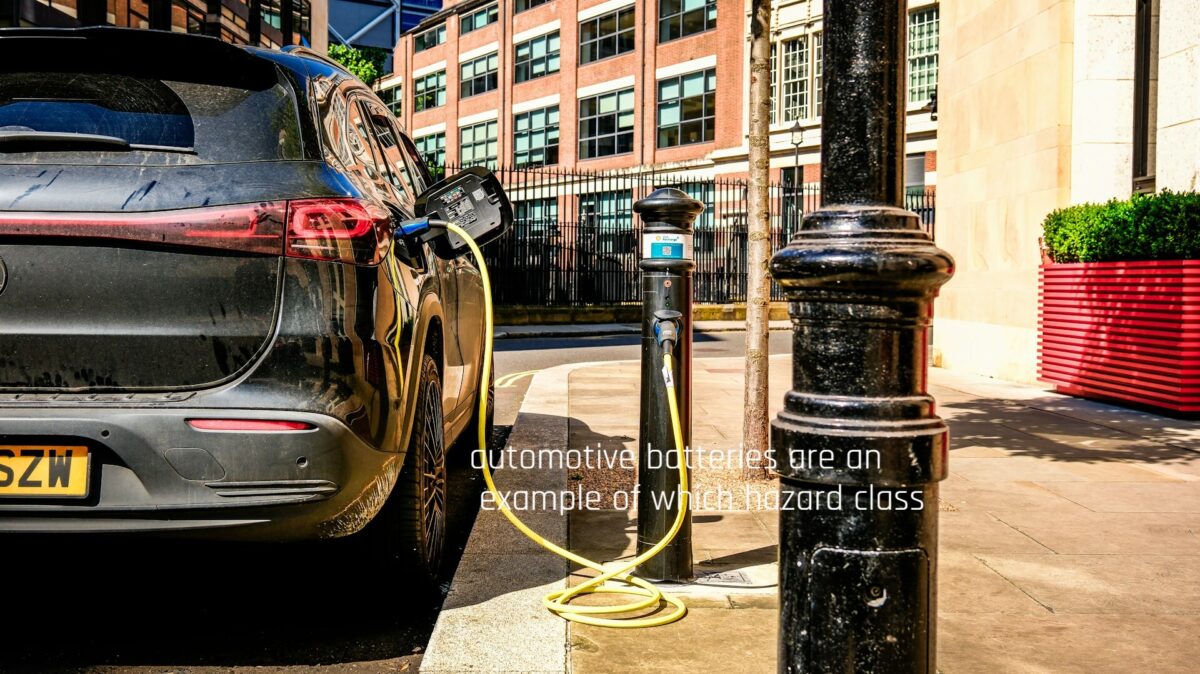


Automotive batteries are integral to vehicle operation, but they also come with certain risks due to their chemical composition and energy storage properties. Understanding which hazard class these batteries fall into is important for safety and compliance with regulations.
What Are Automotive Batteries?
Automotive batteries are rechargeable energy storage systems designed to start vehicles and power electrical systems. They’re responsible for igniting the engine and keeping your car’s electronics running smoothly.
Main Types of Automotive Batteries
There are two primary types of automotive batteries:
- Lead-Acid Batteries: The most common type found in traditional gasoline and diesel vehicles.
- Lithium-Ion Batteries: These are increasingly popular in electric and hybrid vehicles due to their higher energy efficiency and lightweight design.
Essential Functions of Automotive Batteries
Automotive batteries perform crucial roles:
- Engine Start: Providing the necessary power to start a car.
- Electrical Power: Keeping the lights, radio, and other onboard electronics functional.
- Energy Storage: Storing electrical energy for when the vehicle is off but still requires power for auxiliary functions.
How Hazard Classes Work for Hazardous Materials
To understand where automotive batteries fit in the hazard classification system, it’s important to grasp how dangerous goods are categorized.
Regulatory Bodies and Hazard Classification Systems
Various regulatory bodies such as the Department of Transportation (DOT) and International Maritime Dangerous Goods (IMDG) are responsible for classifying hazardous materials. Automotive batteries fall under these classifications due to the chemicals and electrical charges they contain.
What Makes a Material Hazardous?
A material is considered hazardous based on factors like its flammability, corrosiveness, reactivity, and toxicity. Automotive batteries, specifically lead-acid and lithium-ion varieties, meet these criteria due to the presence of corrosive acids and flammable components.
Why Automotive Batteries Are in Hazard Class 8
Definition of Hazard Class 8
Hazard Class 8 is designated for corrosive substances—materials that can cause severe damage to skin, eyes, and other organic matter. Lead-acid automotive batteries fall under this category.
Chemical Composition and Dangers in Lead-Acid Batteries
Lead-acid batteries contain:
- Sulfuric Acid: A highly corrosive substance responsible for most of the dangers associated with this hazard class.
- Lead: A toxic heavy metal that poses environmental risks if not disposed of properly.
When handled incorrectly, sulfuric acid can cause chemical burns, while leaking lead contaminates the environment.
Safety Concerns Associated with Automotive Batteries
Both lead-acid and lithium-ion batteries present unique safety challenges that warrant their hazardous classification.
Corrosive Risks of Lead-Acid Batteries
Lead-acid batteries, the most common type in cars, contain sulfuric acid, which can:
- Cause severe skin burns.
- Damage vehicle components if leaked.
- React with other chemicals to produce harmful fumes.
Electrical Hazards and Fire Risks of Lithium-Ion Batteries
Lithium-ion batteries, while not falling under Hazard Class 8, present different risks, such as:
- Fire Hazards: Lithium-ion batteries can overheat, leading to fires or explosions if damaged.
- Electrical Shocks: Mishandling of these high-energy batteries can result in shocks or even short circuits.
The Environmental Impact of Automotive Batteries
Long-Term Effects of Battery Waste
Improper disposal of automotive batteries can lead to significant environmental harm. Chemicals like lead, lithium, and sulfuric acid can contaminate soil and groundwater, posing risks to ecosystems and human health.
Challenges in Recycling Lead-Acid and Lithium-Ion Batteries
While lead-acid batteries are recycled at high rates, improper recycling can still result in lead contamination. Lithium-ion batteries, on the other hand, are more difficult and expensive to recycle due to their complex chemical makeup.
Proper Handling and Disposal of Automotive Batteries
Best Practices for Safe Battery Handling
To prevent hazards, automotive batteries should be:
- Handled with protective gear like gloves and goggles.
- Stored in cool, dry locations away from heat sources.
- Regularly inspected for leaks or damage.
Legal Requirements for Disposal
Disposing of automotive batteries in regular trash is illegal in most places. Instead, take them to certified recycling centers or auto shops that accept old batteries for proper disposal.
Recycling Programs and Sustainability Efforts
Many governments and organizations have established recycling programs to minimize the environmental impact of battery disposal. These programs focus on recovering valuable materials like lead and reducing waste.
Regulatory Frameworks Governing Automotive Batteries
Transportation of Hazardous Batteries
When transporting automotive batteries, special care must be taken to prevent leaks or electrical short circuits. Hazard labels are required by law, indicating the corrosive nature of the materials.
Disposal and Recycling Laws
Most countries have strict regulations for the disposal of lead-acid and lithium-ion batteries. Recycling is often mandatory, and failure to comply with disposal laws can result in significant fines.
Future of Automotive Battery Technology and Hazard Reduction
Innovations in Battery Safety
Research is being conducted into solid-state batteries and other safer, more stable battery technologies. These innovations aim to reduce the corrosive materials and fire risks present in current automotive batteries.
Moving Toward Eco-Friendly Solutions
In the future, we may see the development of greener automotive battery alternatives, which could reduce both the hazards they present and their environmental impact.
Conclusion
Automotive batteries are classified as hazardous materials, particularly under Hazard Class 8 for lead-acid batteries, due to their corrosive properties. While these batteries are essential for vehicle operation, they pose significant risks if not handled properly. Understanding the hazards, following safety guidelines, and adhering to proper disposal practices can mitigate these dangers and ensure both personal and environmental safety.
FAQs
What hazard class do automotive batteries fall under?
Lead-acid automotive batteries are classified as Hazard Class 8 due to their corrosive nature.
What makes automotive batteries hazardous?
They contain corrosive substances like sulfuric acid and can pose electrical, fire, and environmental risks.
How should I dispose of an old automotive battery?
Take it to a certified recycling center or an auto shop that accepts used batteries for proper disposal.
What is the difference between lead-acid and lithium-ion batteries in terms of hazard?
Lead-acid batteries are corrosive, while lithium-ion batteries pose fire and explosion risks due to their flammable components.
Can automotive batteries harm the environment?
Yes, improper disposal can lead to soil and water contamination, as well as long-term environmental damage.